
An expert clothing-guide for active kids aged 5–8
A quiet moment in the sandbox followed by a high-speed game in the grass. Frosty, chilly mornings followed by a warm and sunny lunch break. As a parent, you know that springtime at school can offer a bit of everything – often all in the same day. Dressing your kids for spring isn’t about finding one single piece of clothing; it’s about smart combinations that can handle both shifting weather and high-energy play.
In this guide, we’ll walk you through the best way to dress children aged 5–8 for school during spring. We’ll examine how layering works in practice and which clothes actually withstand the wear and tear of kids running, climbing, and pushing their limits on the playground.
At Villervalla, we create clothes that don’t just withstand play – but encourage it!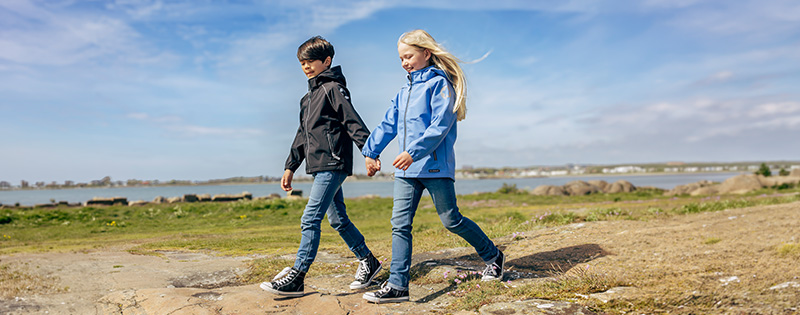
Outdoor play is back: Durable favourites for spring adventures
As spring arrives, the play usually transfers from indoors to outside. Suddenly, it’s time for the climbing frames again, wrestle in the grass, slide on knees, and race across gravel and asphalt. In other words, the clothes must be resilient, enduring falls, high speeds, and countless washes.
Villervalla’s durable trousers are one of the best investments in a kid's spring wardrobe for kids who love playing outdoors. Many of Villervalla's trousers feature cuffs and drawstrings, ensuring a perfect fit that allows the garment to grow with the child.
While materials need to be resilient, they must also be soft and flexible – children are constantly on the move and shouldn’t feel restricted. This is where Villervalla’s fleece jackets truly shine; they are durable and keep the warmth in without feeling stuffy.
Soft yet sturdy cotton qualities provide both comfort and longevity, especially when combined with reinforced sections that are most susceptible to wear and tear. It’s these kinds of thoughtful details that ensure spring is all about play and adventure – and less about restrictions and torn knees.
Want more tips on how to best dress your child for spring? Read our full guide here.
Layer-by-Layer clothing guide for kids
If you’ve ever wondered how to best dress children in preschool or early grades during spring, the answer is almost always the same: layering.
Temperatures can shift dramatically throughout the school day, and children’s activity levels mean they go from sitting still to quickly getting warm while running. With the layer-by-layer method, children can easily adapt to both the weather and the pace of play by adding or removing a garment without needing a full change of clothes.
Layer 1 (Closest to the body): The base layer should wick away moisture and feel comfortable against the skin. We recommend breathable cotton or thin wool, such as our long-sleeved tops made from Oeko-Tex® certified materials.
Layer 2 (Isolation): This layer retains heat during chilly mornings or when the child has been sitting still for a while. Our fleece jackets are an excellent choice here, or if the weather warms up, our classic jersey sweatshirts.
Layer 3 (The Protection): Shell clothing protects against wind and water while allowing moisture to escape when the child gets warm from running. In springtime, waterproof clothing for playground play is almost always a bright idea.
The ultimate spare clothes checklist for school
No matter how well you plan, it happens: soaked socks, muddy trousers, or a sudden change in the weather. That’s why it’s always a smart choice to pack a few extra clothes for school.
Here is a simple checklist to keep you prepared:
- 2 pairs of soft trousers (leggings or joggers work perfectly)
- 3 pairs of socks (always one extra for those tempting puddles!)
- 2 t-shirts or long-sleeved tops
- 2 sets of underwear (invaluable if an accident happens)
- 1fleece jacket (easy to layer during chilly mornings or after a high-energy play session)
Pro Tips: Keep a dedicated "spare clothes bag" hanging at your child’s spot at school. It saves you from overthinking it every morning.
And if you’re wondering how many changes of clothes kids actually need at school, the rule of thumb is simple: enough for one wet day of play – plus an extra pair of socks!
When accidents happen – Handling wet clothes with ease
When children are in the middle of something they find exciting, it’s easy to lose track of time. A bathroom break gets postponed just a little too long, and suddenly, an accident happens. In these moments, the right clothing choices can make all the difference.
A simple rule of thumb is to choose garments that the child can easily take off and put on by themselves, without stress or tricky fasteners. Trousers with an elasticated waist often work better than styles with stiff buttons, heavy denim, or difficult zips. Soft materials also make the change quicker and more comfortable.
Another tip is to always keep a spare set of clothes at school. This allows the child to quickly change into dry clothes and get on with their day – ensuring that the play remains more important than what just happened.
Functional gear and accessories for outdoor play
When planning a spring wardrobe, it’s easy to focus on the big items like jackets and trousers – but it’s often the small details that make the biggest difference. Think of that beanie that covers the ears during chilly mornings, or those thin gloves that are easy to tuck into a pocket when the sun comes out, yet remain invaluable during the first break of the day.
Lastly in this guide, we want to highlight Villervalla’s functional gear – a child’s best friend in their spring wardrobe. When the playground quickly shifts between dry asphalt, muddy grass, and deep puddles, practical functional gear and shell clothing are often the real lifesavers. They protect against wind and water while allowing the child to run, climb, and play without feeling restricted.
As a final helping hand, we’ve also put together a quick "Problem & Solution" guide in true Villervalla spirit – making it even easier to dress your child smartly for all of spring's adventures.
Good luck with the spring wardrobe – and don’t forget to check out Villervalla’s Spring Collection 2026!
|
Problem |
The Villervalla-solution |
|
Sweaty play sessions |
Functional materials with high breathability to keep your child dry. |
|
Lost clothing items |
Clear name labels and unique patterns that are easy to spot in the drying cabinet. |
|
Shifting weather |
A mix-and-match concept, where every garment works together for effortless layering. |