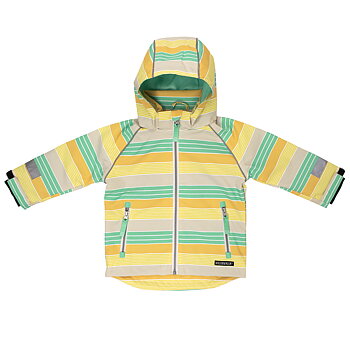
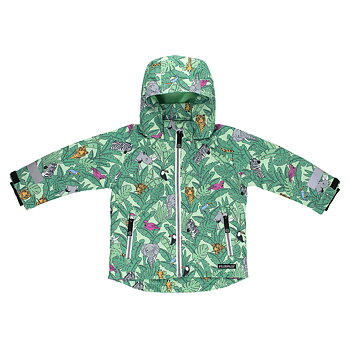
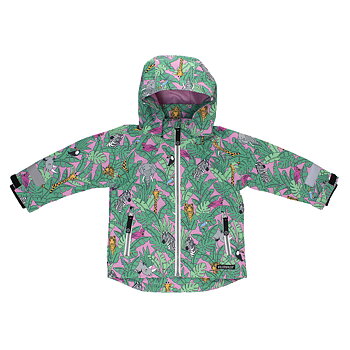
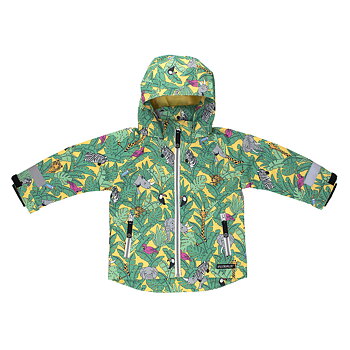
Shell clothes for kids – how does it work?
What’s the difference between rainwear, softshell and shell clothes? What does water column mean and in what kind of weather should I go with shell clothes for my kid? In this guide we will sort that out for you!Shell clothes are durable, waterproof and breathable
Shell clothes can be used in all kind of weathers and are optimal as the outermost garment in the three-layer principle. By adapting warmer clothes underneath, it can be used all year round. The garments are also very durable and comfortable to move around in.Shell clothes have a breathable membrane or a coating on the inside, which keeps the moisture out. It consists of small pores that release the steam, while keeping water droplets out. The outer layer consists of textile, where the water column indicates how much water the garment can withstand.
Water column is a measurement method that indicates how much water pressure the material can handle before it lets moisture through from the outside. It is measured in millimeters, where a higher value simply withstands more water. (Our shell clothes have 8000 in water column, which means that fabric is waterproof and at the same time breathable.
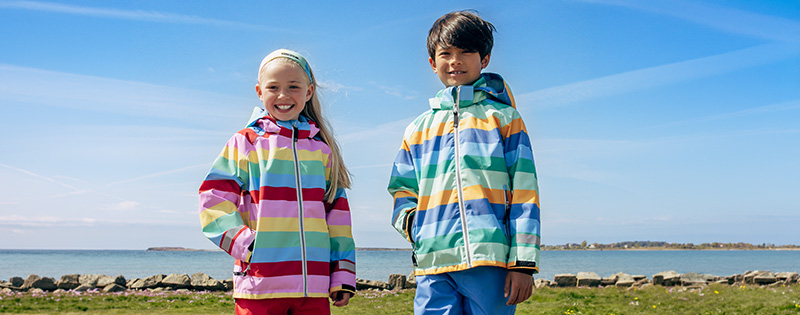
Should I choose shell clothes, softshell or other non-breathable rainwear?
If the child is sitting in the sandbox and is not very active, waterproof non-breathable rainwear is a good alternative because it keeps you dry and dirt is easy to rinse off. However, they are not breathable or as durable and flexible to move in as shell clothes are. If the child is more active or if it’s warm outside, shell clothes is therefore preferable.Softshell is a soft and windproof material. It’s not completely waterproof but water repellent. However, it has good breathability, and the material is dryes very quickly. Softshell is suitable for most activities, except if it’s raining cat and dogs. In that case the waterproof alternatives are the better choice.
Shell clothes:
- Durable
- Wind- and waterproof
- Breathable
- Flexible and spacious
- Waterproof
- Easy to rinse off
- Windproof
- Water repellent
- Breathable
Should I choose a shell jacket and shell pants or a shell overall?
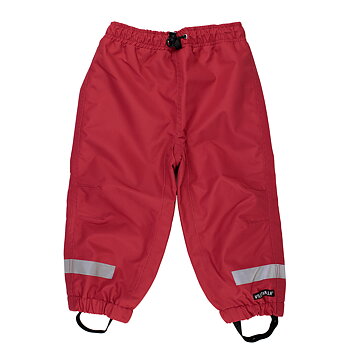
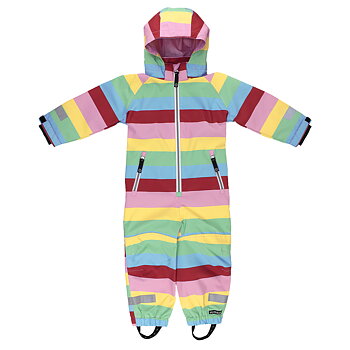
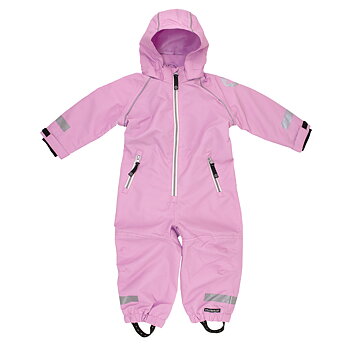
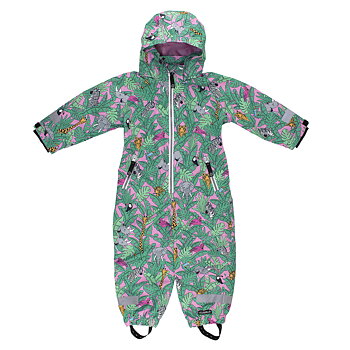
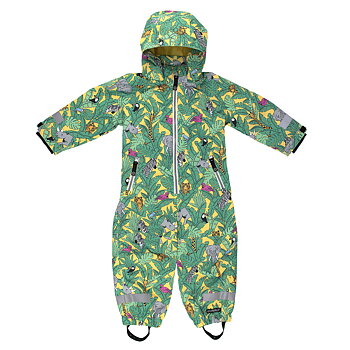
For smaller children, a shell overall is especially functional. Small children sit a lot (pram, sandbox, etc.) and an overall is easy to move in and easy to put on. For the older children, a shell jacket combined with shell pants are most flexible; if it gets too hot, the jacket or trousers can be easily removed.Villervalla's shell overalls are made up to size 116. But after all, this is a matter of taste; what garments does your child prefer?
7 desirable functions with shell garment
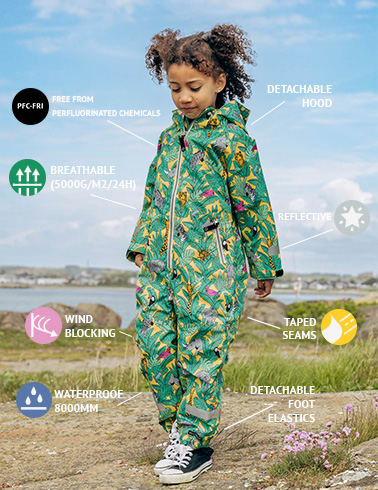
There is a large selection of shell clothes on the market, where we give certain features extra high scores:1. First and foremost: Shell clothes should always be durable, breathable and waterproof.
2. We recommend that the garments have taped seams, so that water doesn’t penetrate the small holes at the seam.
3. With a detachable hood, the child doesn’t risk getting stuck with the hood, and sometimes it can actually be nice to go without it.
4. Reflective details on the legs and cuffs make the child more visible (complete with lights if it is dark outside!)
5. Materials that are PFC-free and manufactured in the most sustainable way possible is better for the environment, as well as that the garments will last better and can be inherited by siblings.
6. The garments must be spacious and not tight, so that the child has full freedom of movement and that any intermediate layers can fit underneath.
7. Detachable foot elastics are flexible if the garment fits well without, and should they break, they can be replaced easily.
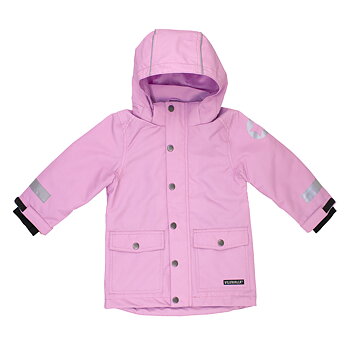
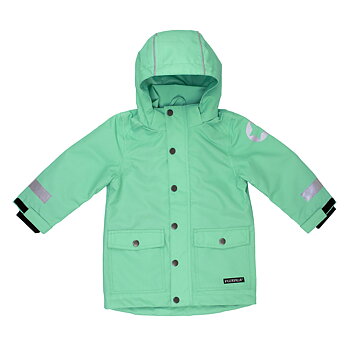
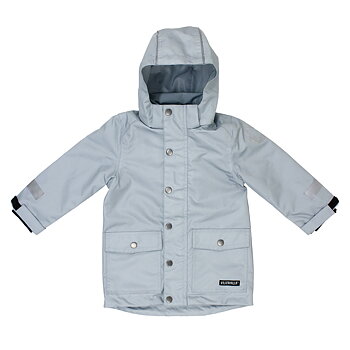
Villervalla's shell clothes has all these functions, which means that the garments can be worn all year round, in all weathers and then be inherited further. You’ll find them here!
19 articles